Communication theory: Global Village
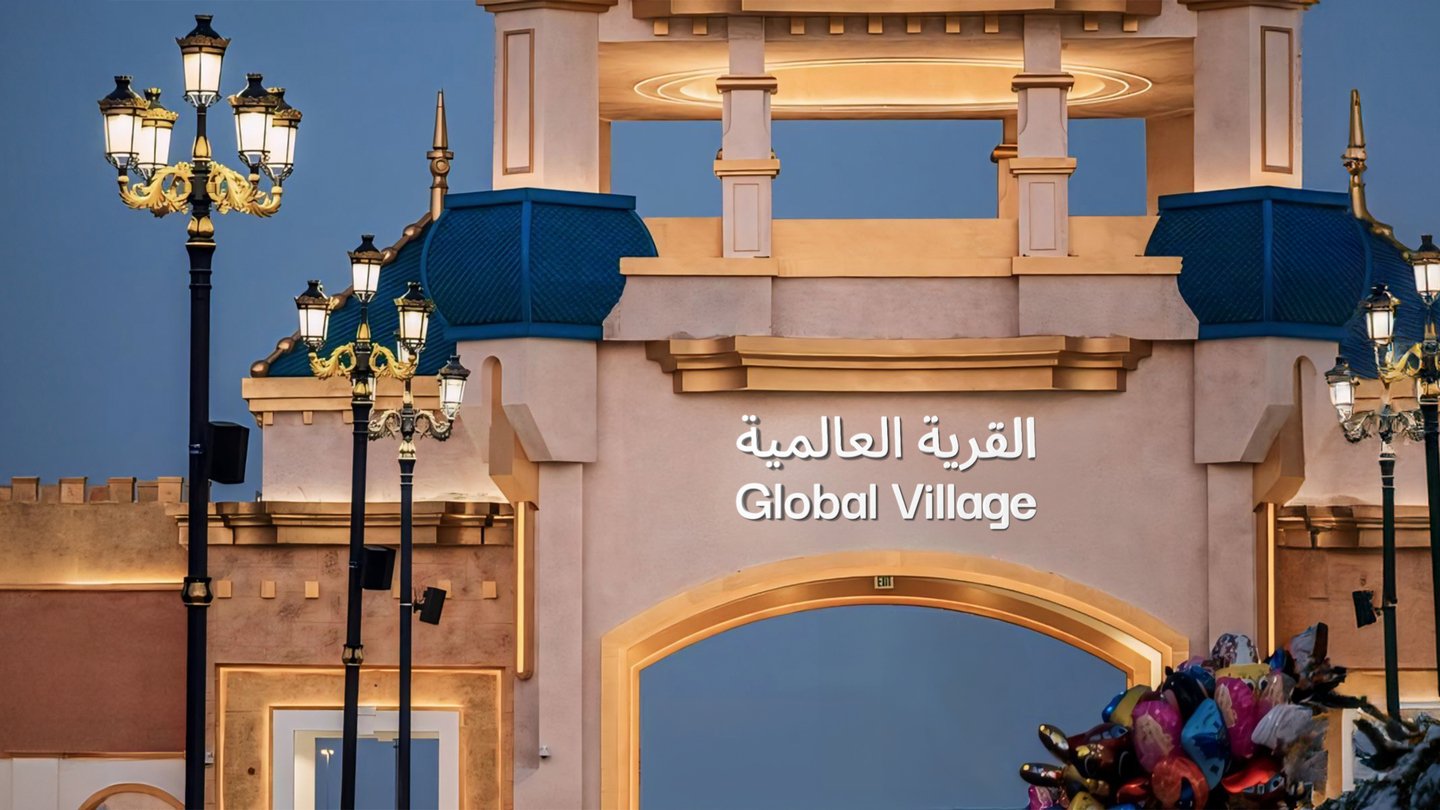
Entrance to the Global Village
COMMUNICATION THEORY IN THE FIELD OF DESIGN
In branding, design is not just a «cover», it is a message: it codes the values and the brand promise into form (color, rhythm, composition, typography, materials, and how the touchpoints behave) and triggers audience response. In course terms, communication is a process of creating and interpreting messages, so it is important not «what we drew», but what meaning people will build from it in a specific context.
Global Village already «sells the world»: 1.6 million sq. m, 33 country pavilions, 50+ restaurants and cafes, around 7,000,000 visitors per year, ticket about 7 dollars. The core of the brand is «the whole world in one place». The problem from the materials: no single style —> no recognition —> visitors’ photo/video does not reinforce the brand, and there is no merch and portable carriers.
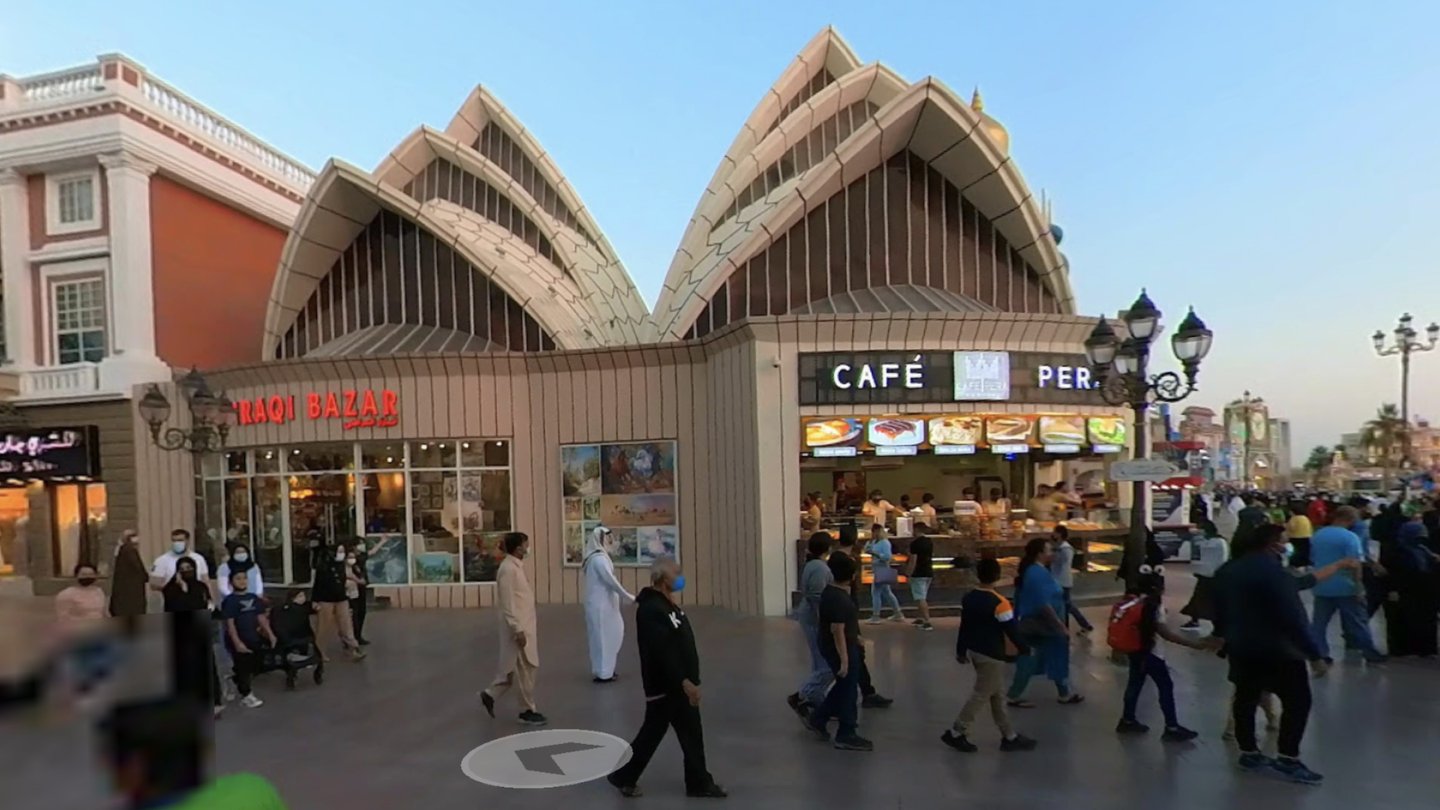
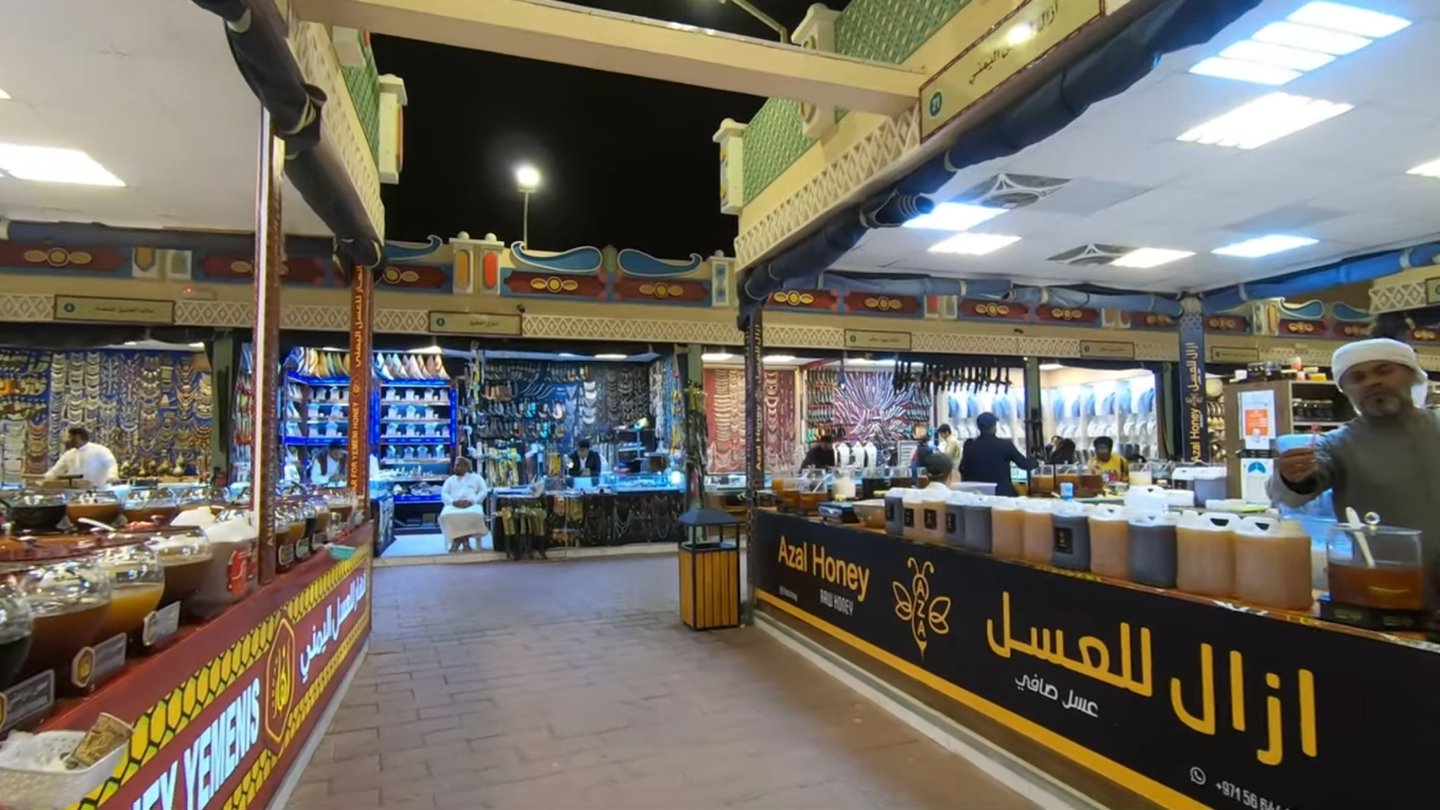
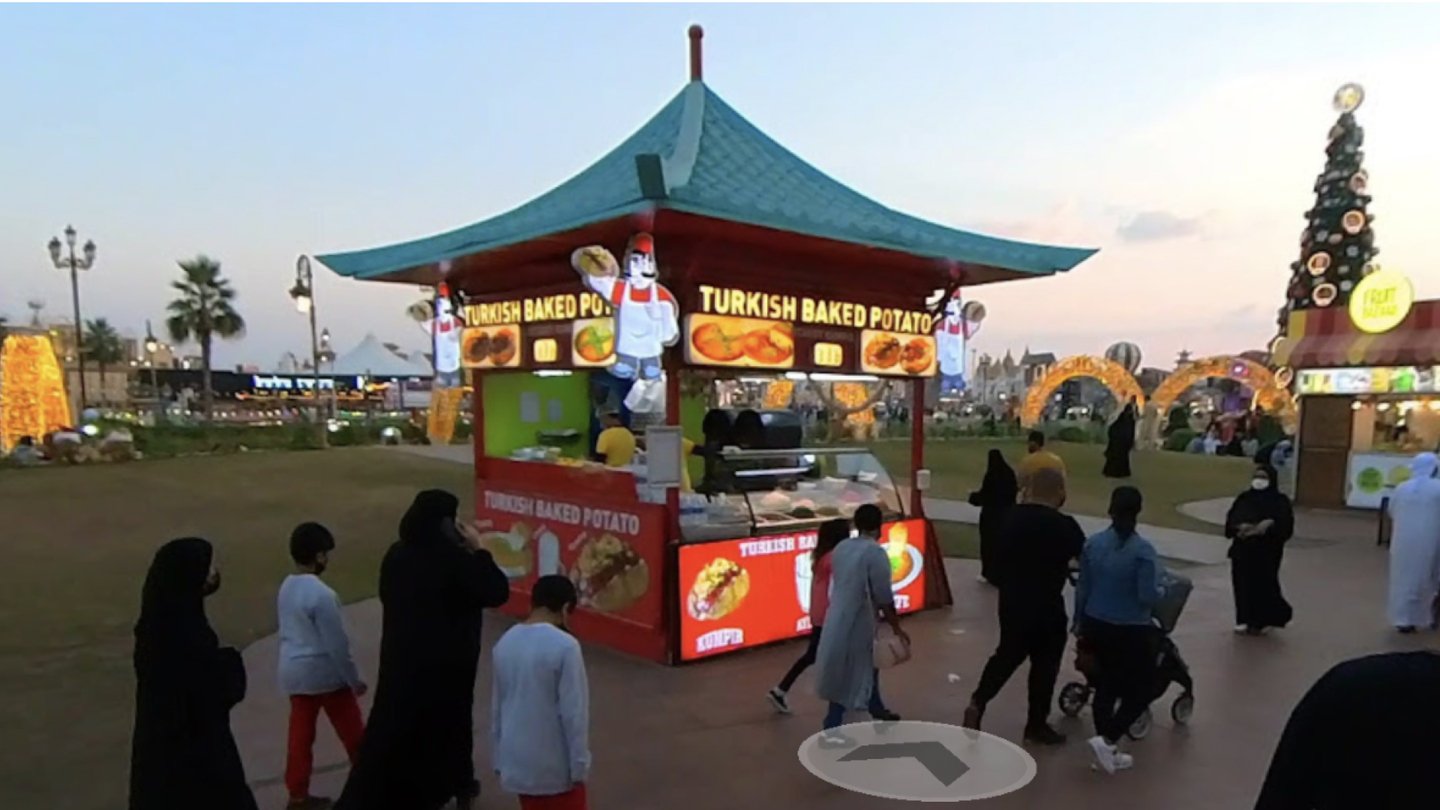
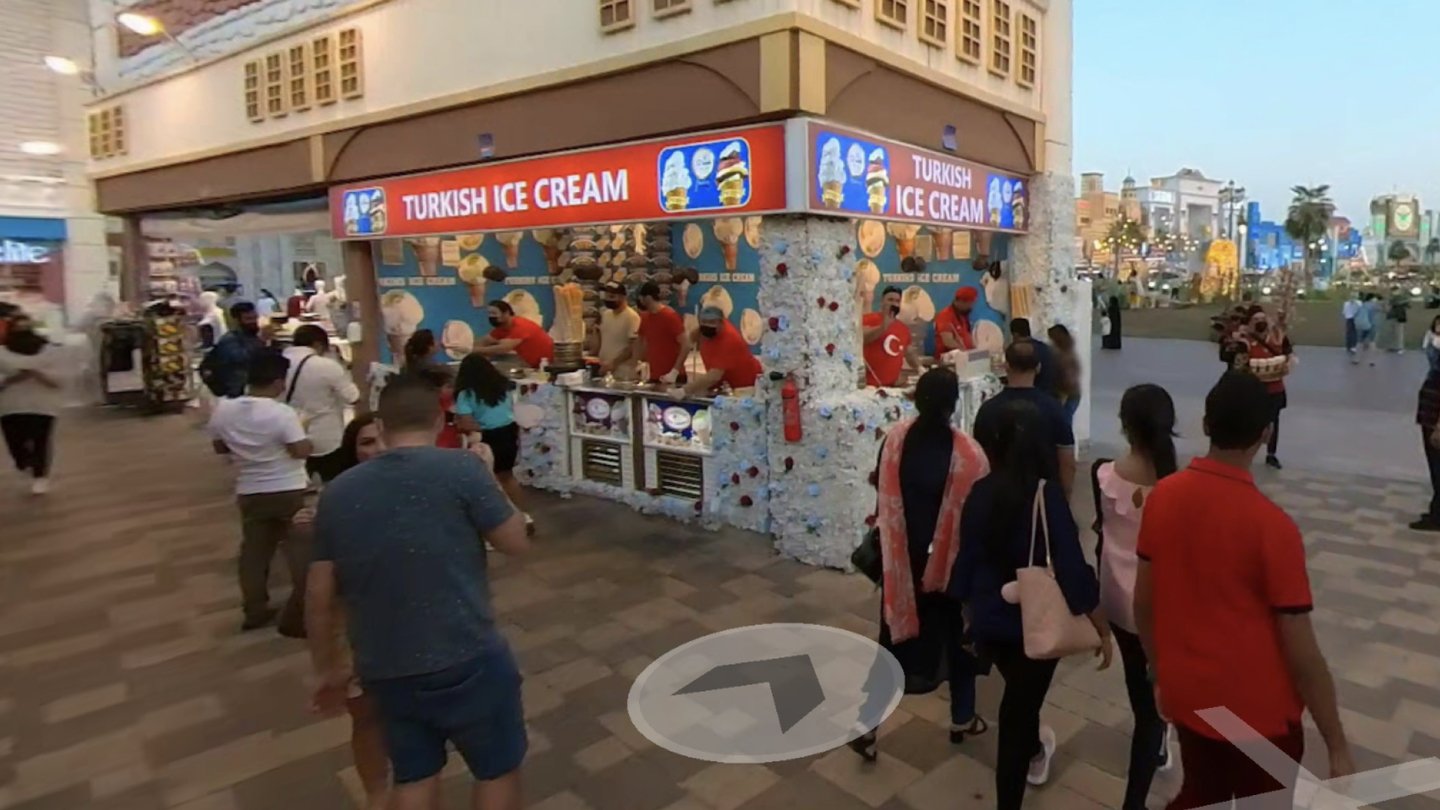
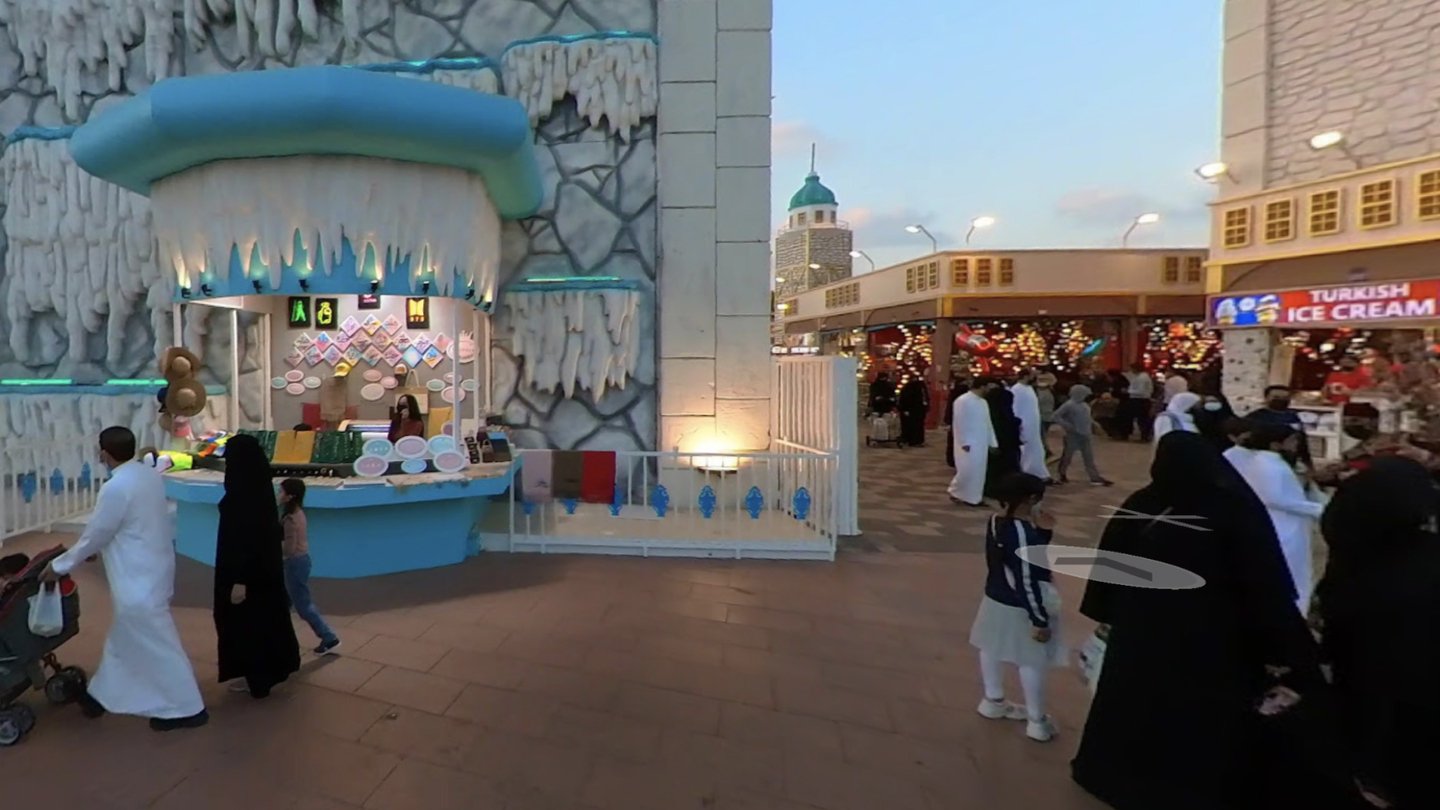
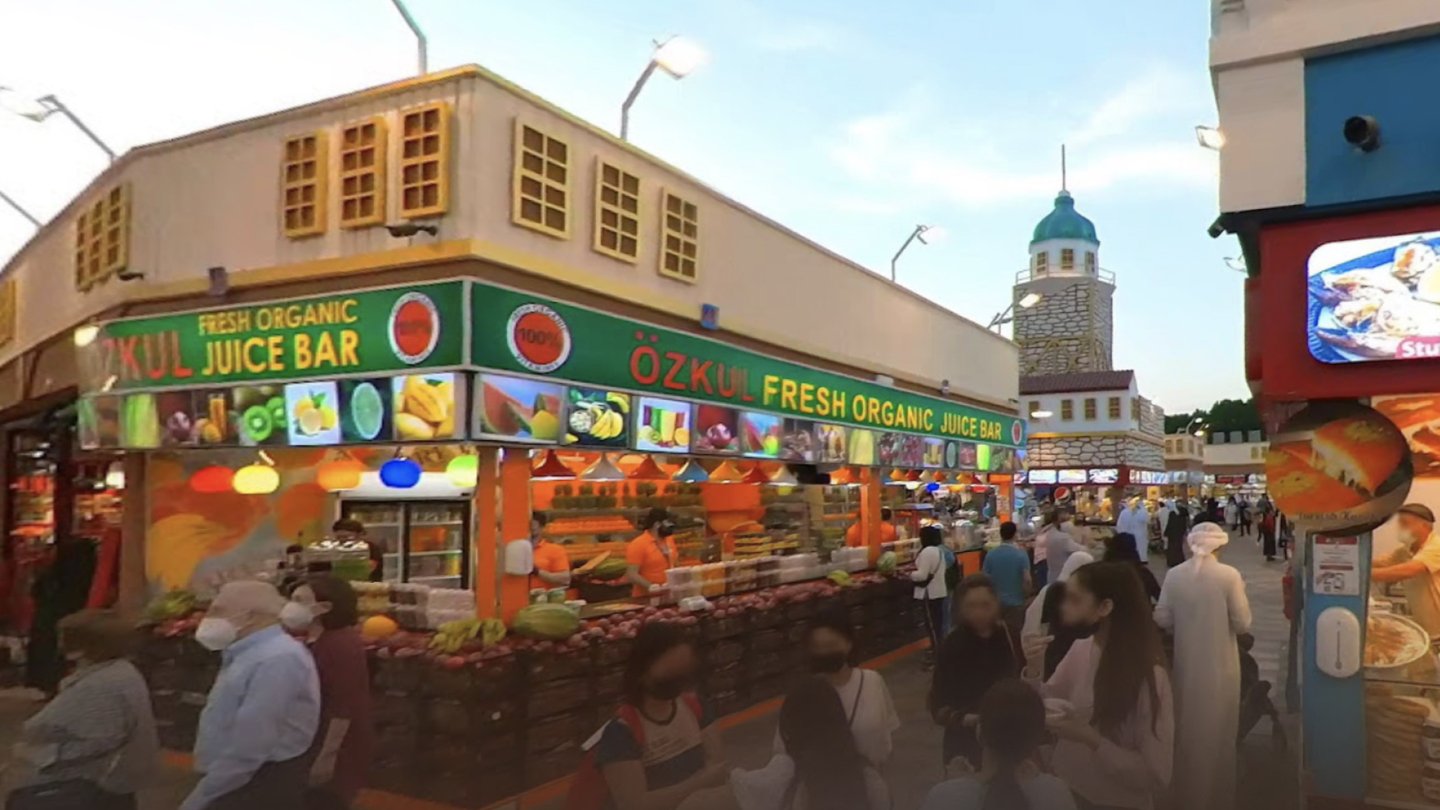
Global Village now
THEORETICAL FRAMEWORK
The project logic is based on a specific course lectures and uses theory as a design tool.
First, we set the optics through Craig’s seven traditions: the semiotic (signs and meanings), the sociocultural (communication as producing shared reality), the rhetorical (persuasion and audience orientation), and the cybernetic (system, channels, feedback).
Then we apply Media Ecology (McLuhan): the communication environment changes meaning, and the global village concept describes instant connectedness of people and messages.
To make the brand work as a story, we use the Narrative Paradigm (coherence / fidelity) and Symbolic Convergence Theory (fantasy theme → fantasy chain → rhetorical vision). This helps to turn a visit into a repeatable plot and create a feeling of «we».
To separate «everyday» and «professional» communication we rely on the Elaboration Likelihood Model (ELM): central route (arguments) and peripheral route (signals and atmosphere).
Finally, Relationship Management Theory gives criteria for brand–audience relationships (trust, commitment, satisfaction) and moves communication from a one-time transaction to a long-term connection.
The key project concept is diversity and unity. We keep cultural differences, but we give one «language of the place», so Global Village is recognizable inside the space and in people’s content.
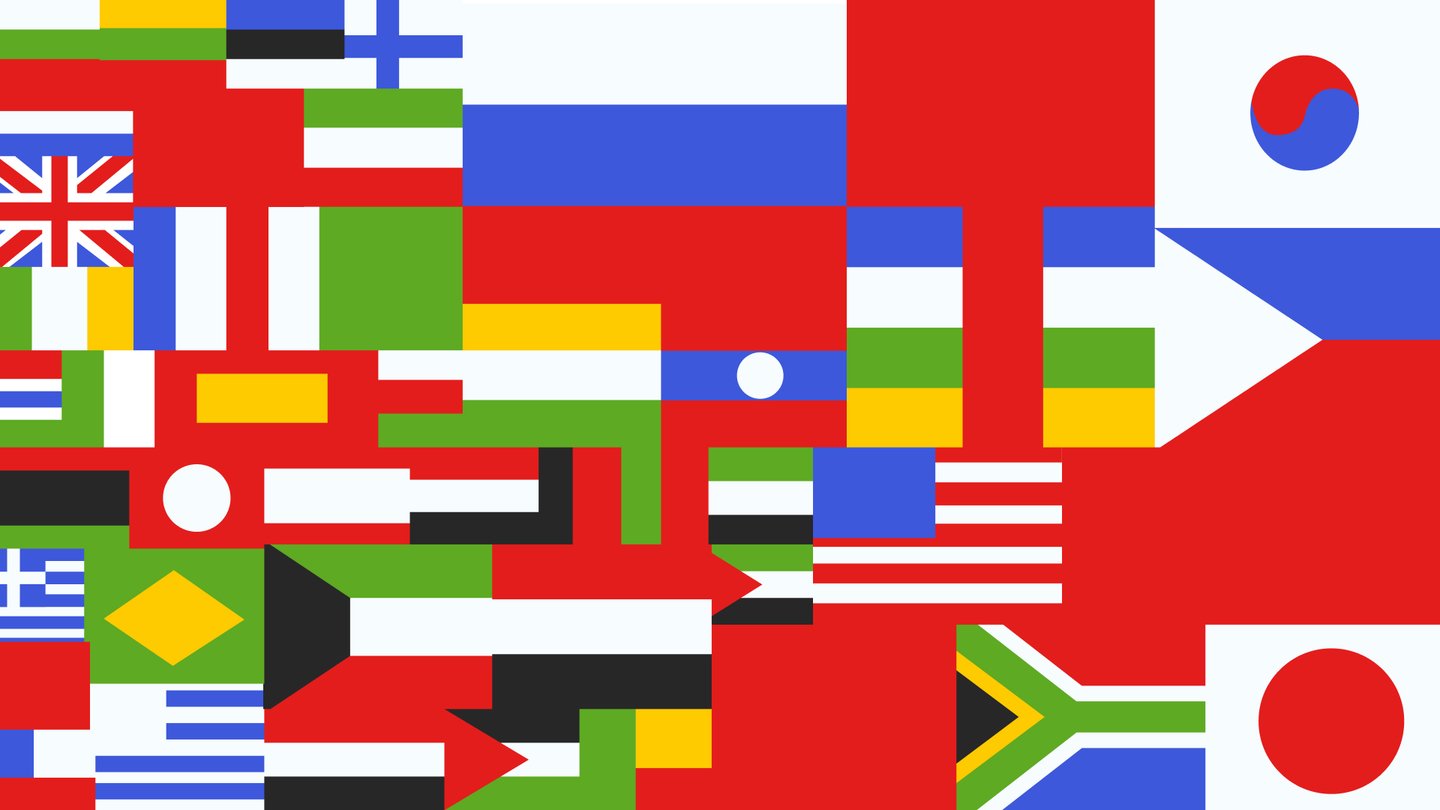
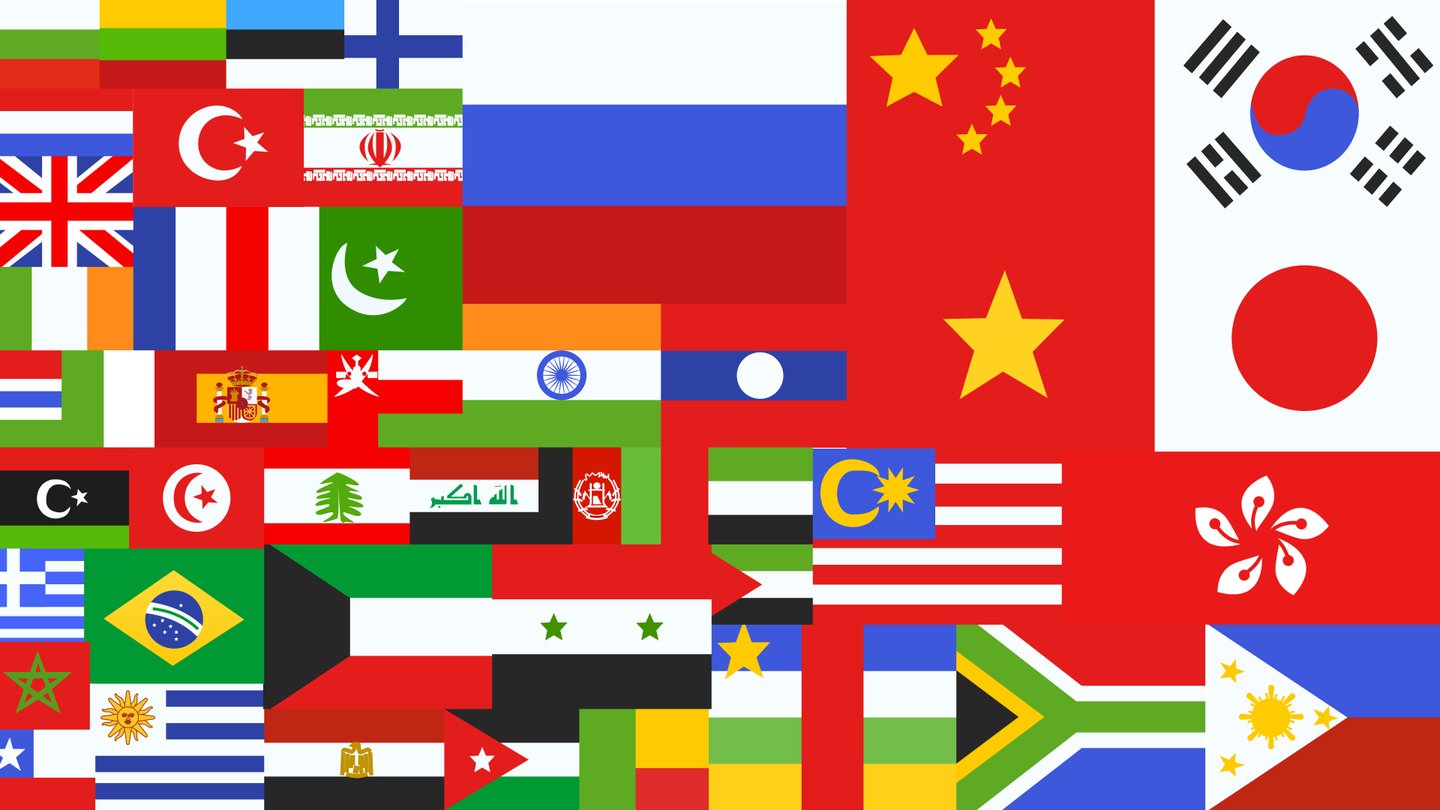
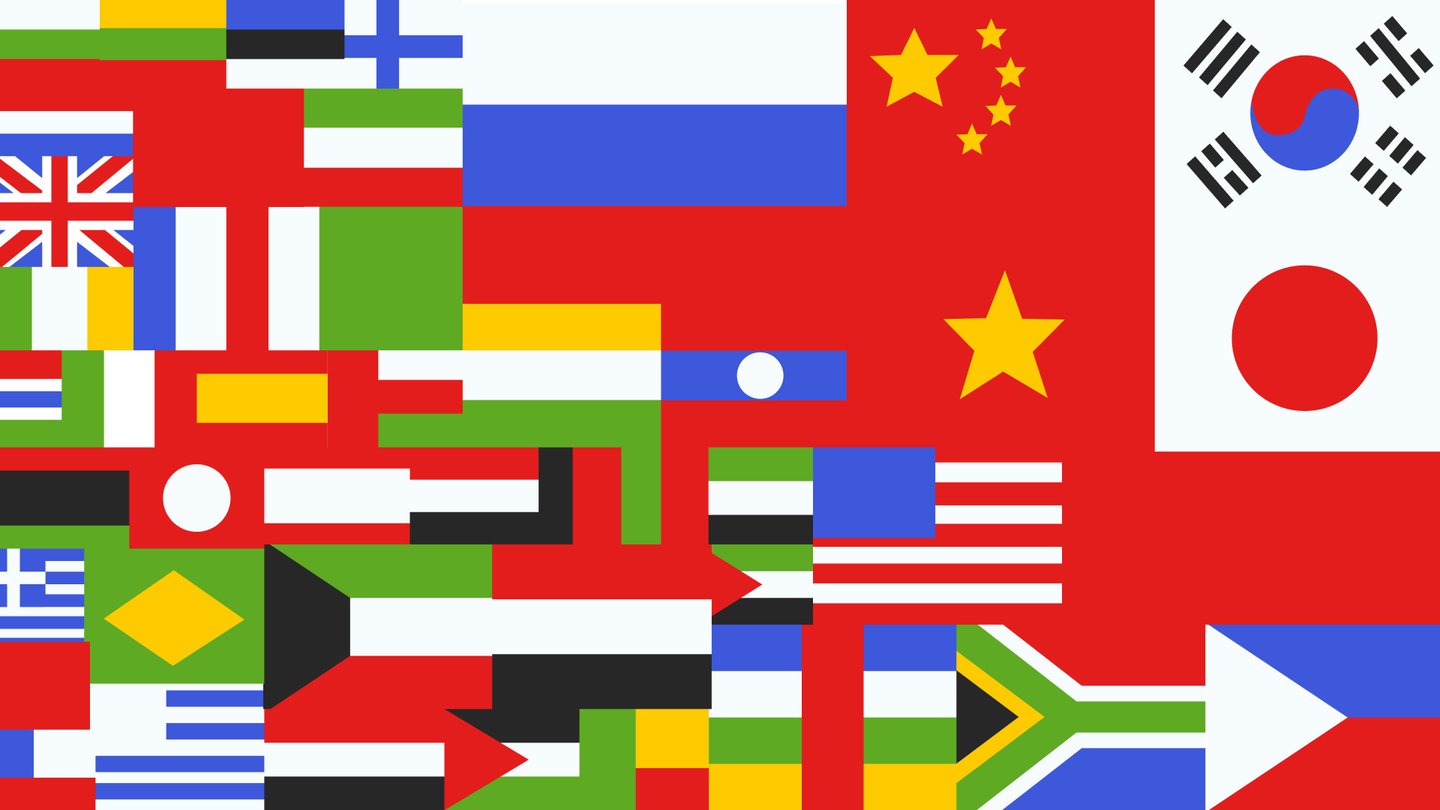
Transforming diversity into a unified style, that forms identity
PRESENTATION FOR A GENERAL AUDIENCE
There are places where you can see a city. There are places where you can see a country. Global Village is a place where you can see the world.
Poster for Global Village
WHAT IT IS
It is a big fair-like territory where each country builds its own pavilion and introduces visitors to everyday life and cultural traditions: it shows ethnic attributes, clothes, goods, and souvenirs. The experience is supported by evening shows on the World Culture Stage, family attractions, shopping zones, and food — 50+ restaurants and cafes plus street food. Because of the scale (1.6 million sq. m), the place feels like a separate «world» where you can spend a whole evening.
Branded pavilion
FOR WHOM
Global Village has several key segments, and each has its own visit motivation. Tourists (50%) come for a wow-experience and a «must-visit» location: it is important for them to see the scale in one evening and to collect a story in photos and videos. Local families and youth (25%) look for an understandable and affordable leisure format — walking, socializing, food, and a bit of attractions. Schools (10%) use the space as a live «geography» and cultural experience that cannot be replaced by a textbook. Local women (15%) come for unique goods and products and value details — quality, origin, and the story behind things.
WHAT YOU WILL GET
Emotionally: an unusual experience, admiration for the scale, togetherness, the feeling of an «own world».
Functionally: new knowledge, variety of countries, cuisines, prices, affordable leisure, the opportunity to buy unique items.
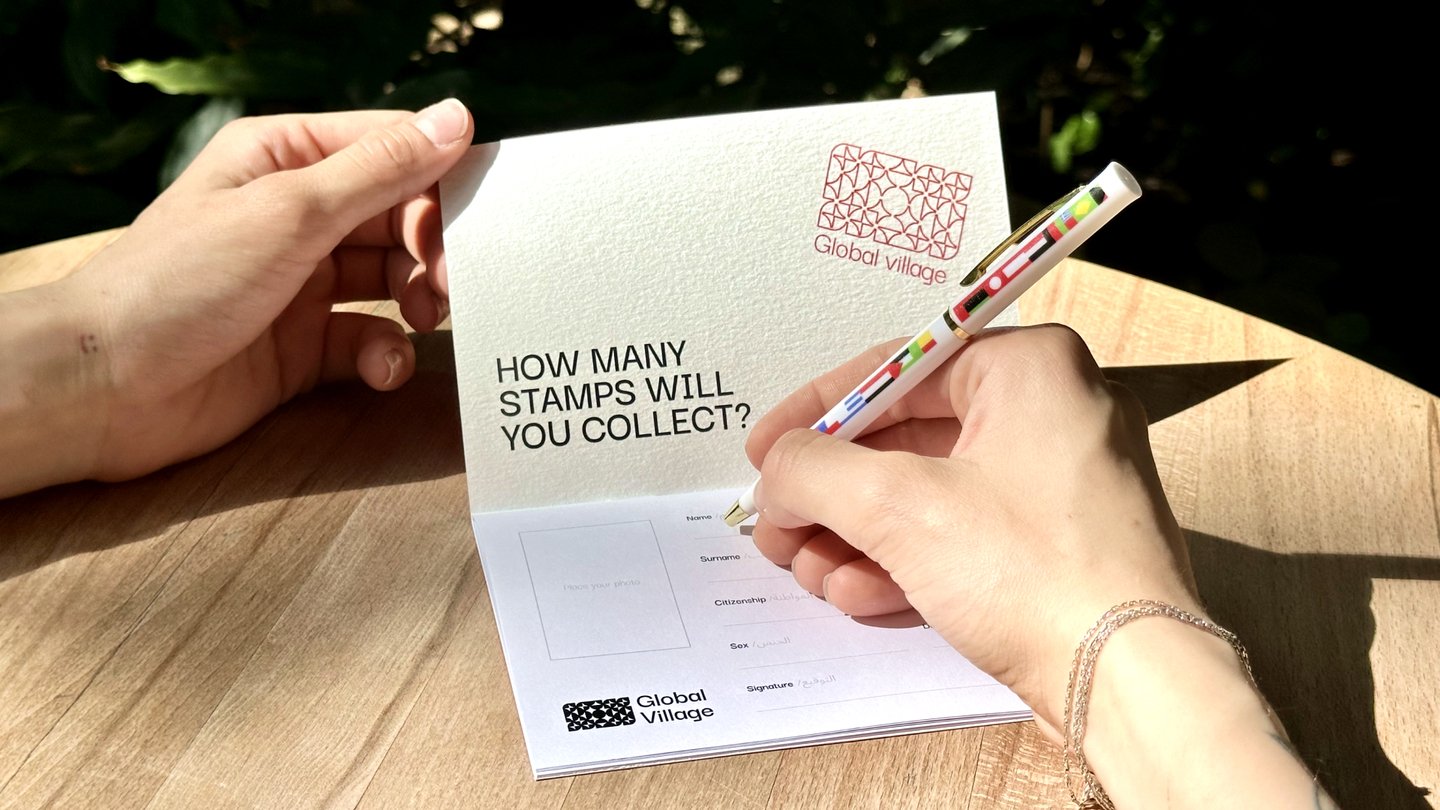
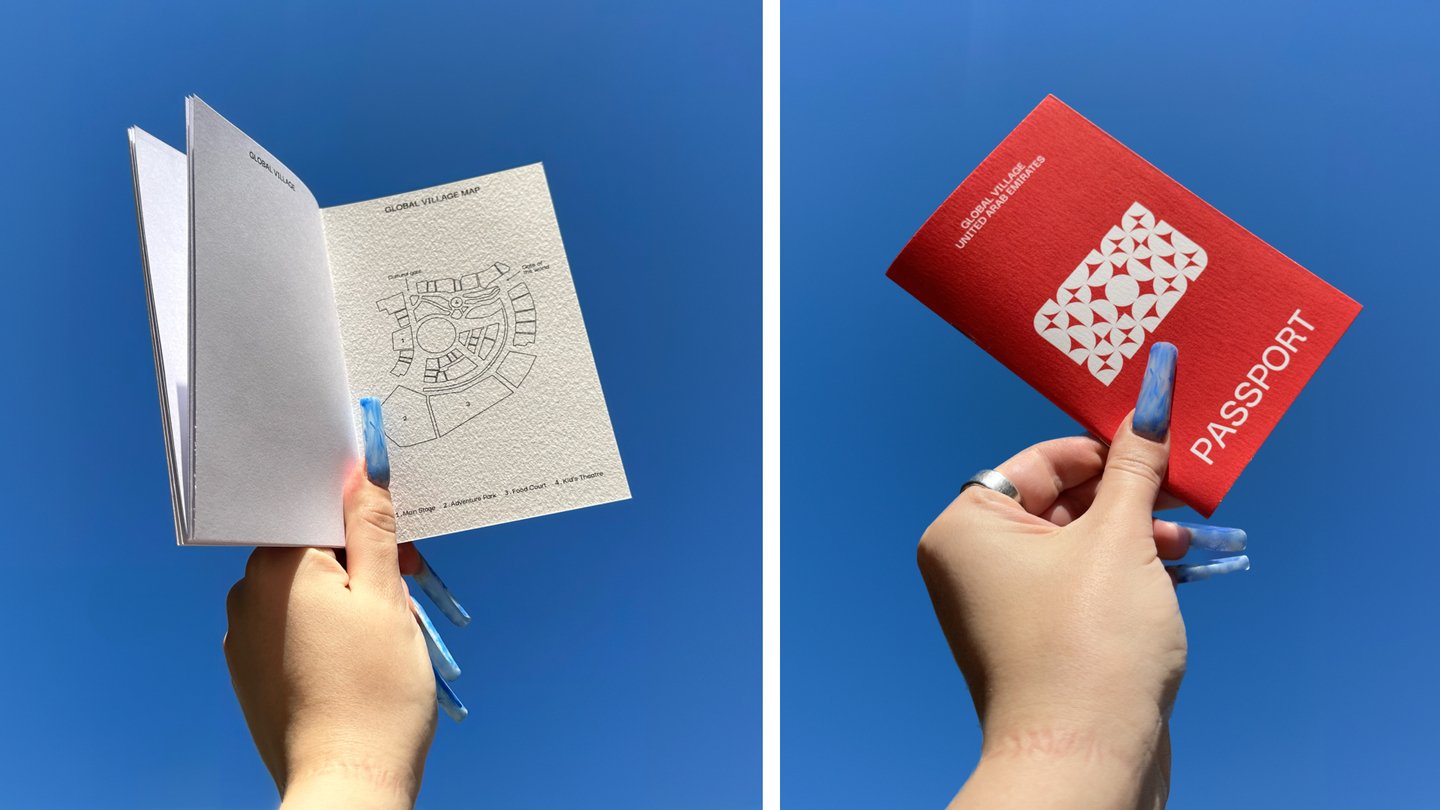
Branded passport for Global Village
HOW IT WILL BE REMEMBERED
We collect «many cultures» into one understandable world: navigation, routes, recognizable style elements, and portable items (ticket, wristband, map, merch), so your content and memory «hold» Global Village. In media ecology terms it means: wherever you «meet» the brand (in the space, in an object, in your phone), it stays the same world.
Navigation in Global Village
Ticket to Global Village
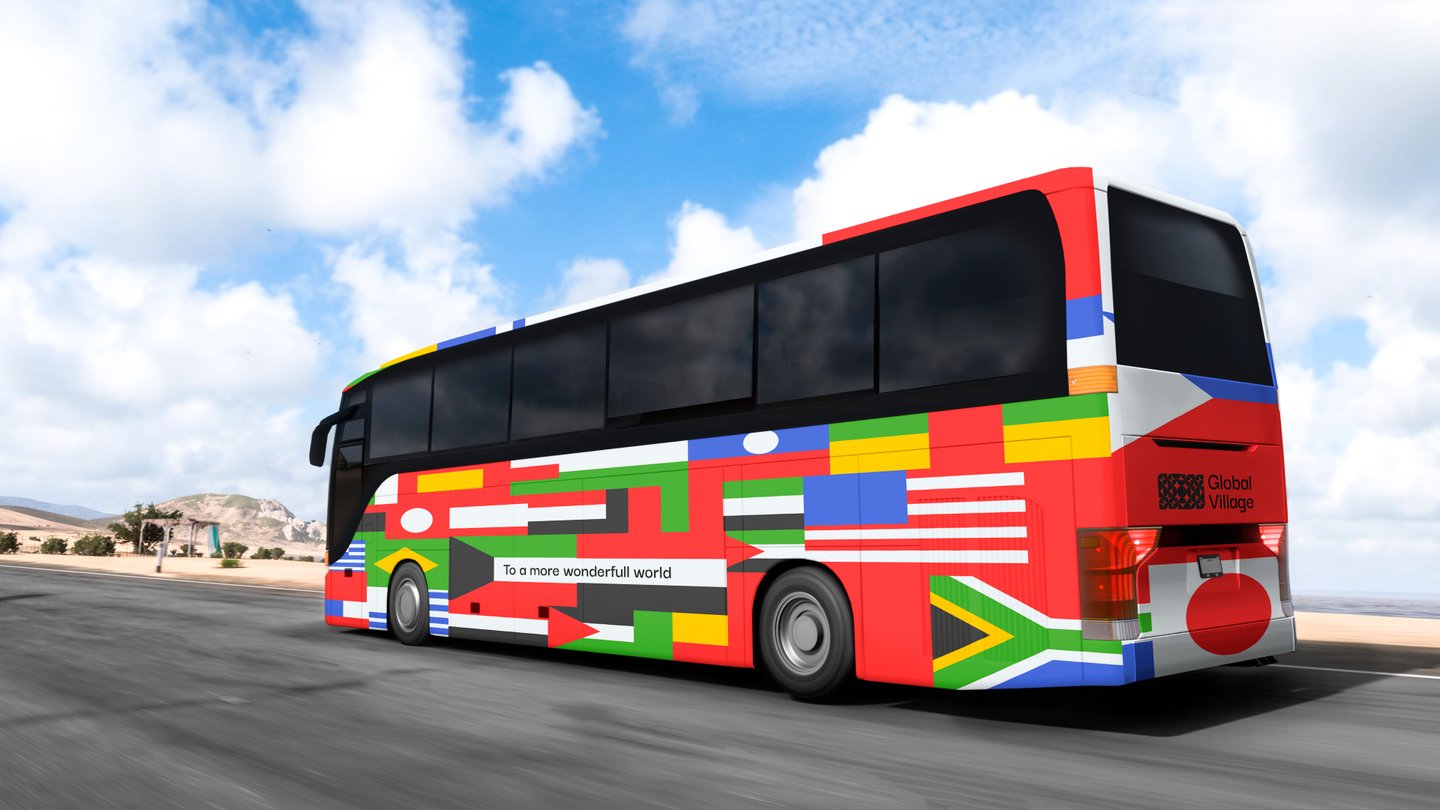
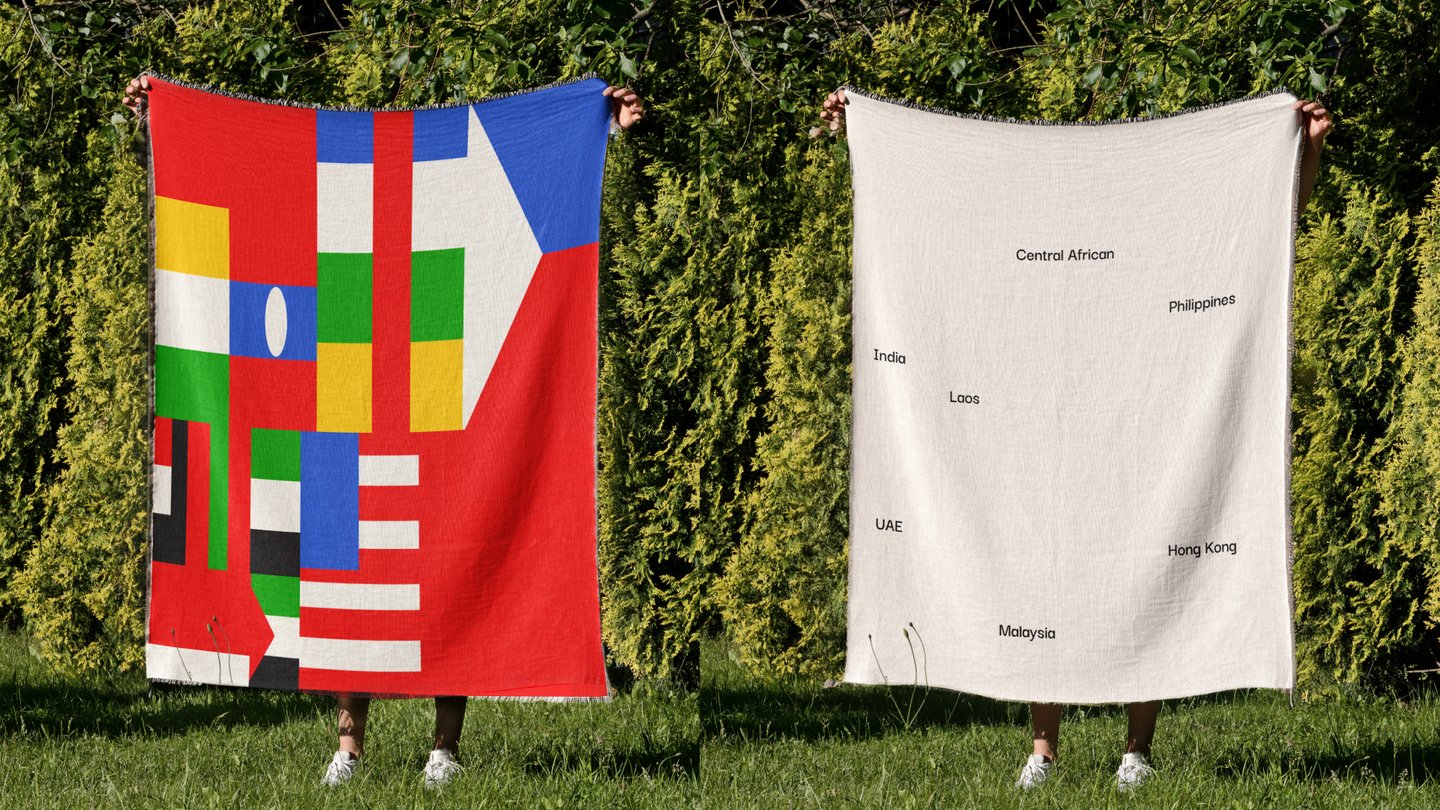
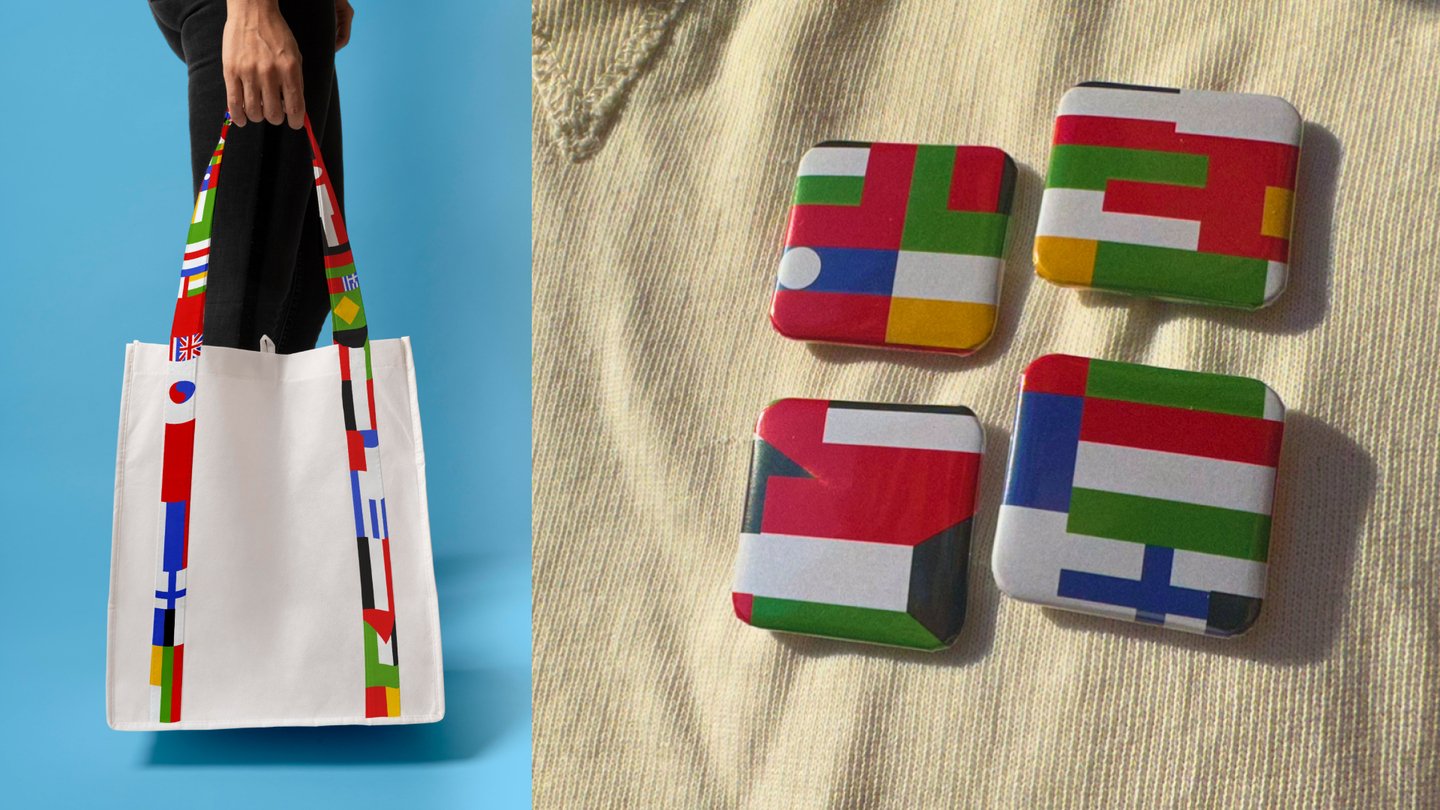
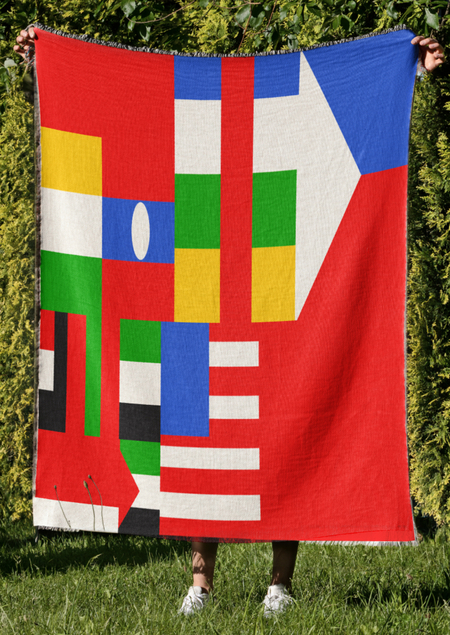
Merch for Global Village: a blanket, a bag, pins and a branded bus
PRESENTATION FOR A PROFESSIONAL AUDIENCE
Problem: no single style —> no recognition; user-generated content does not «brand» the place; no merch and portable carriers.
Task: build the communication into a system.
Hypothesis: a system of signs + an ecosystem of touchpoints will create recognition and repeatability.
Core: «the whole world in one place».
Values: a beautiful world, uniqueness, cultural exchange, education.
Segments as modes: tourists, families, schools, women.
Navigation as the example of branding the place
IDENTITY CONCEPT AND BRAND LANGUAGE
The base is country flags and geographic logic of scale and location: the identity works like a visual model of the world, not like decorative ornament. To keep the «diversity/unity» balance, the brand language is built in three layers: global, cultural, and event-based. This approach lets us keep the character of countries and still support one recognizable place.
It is also important that design here works as a frame: it sets a perception frame of «cultural diversity» as an experience of unity and celebration. We do not just show countries, we design an interpretation optics, where the focus is meeting, exchange, and togetherness; at the same time, the «noise» of conflict and politicized contexts is consciously left outside the brand, so it does not break the promise of a «beautiful world».
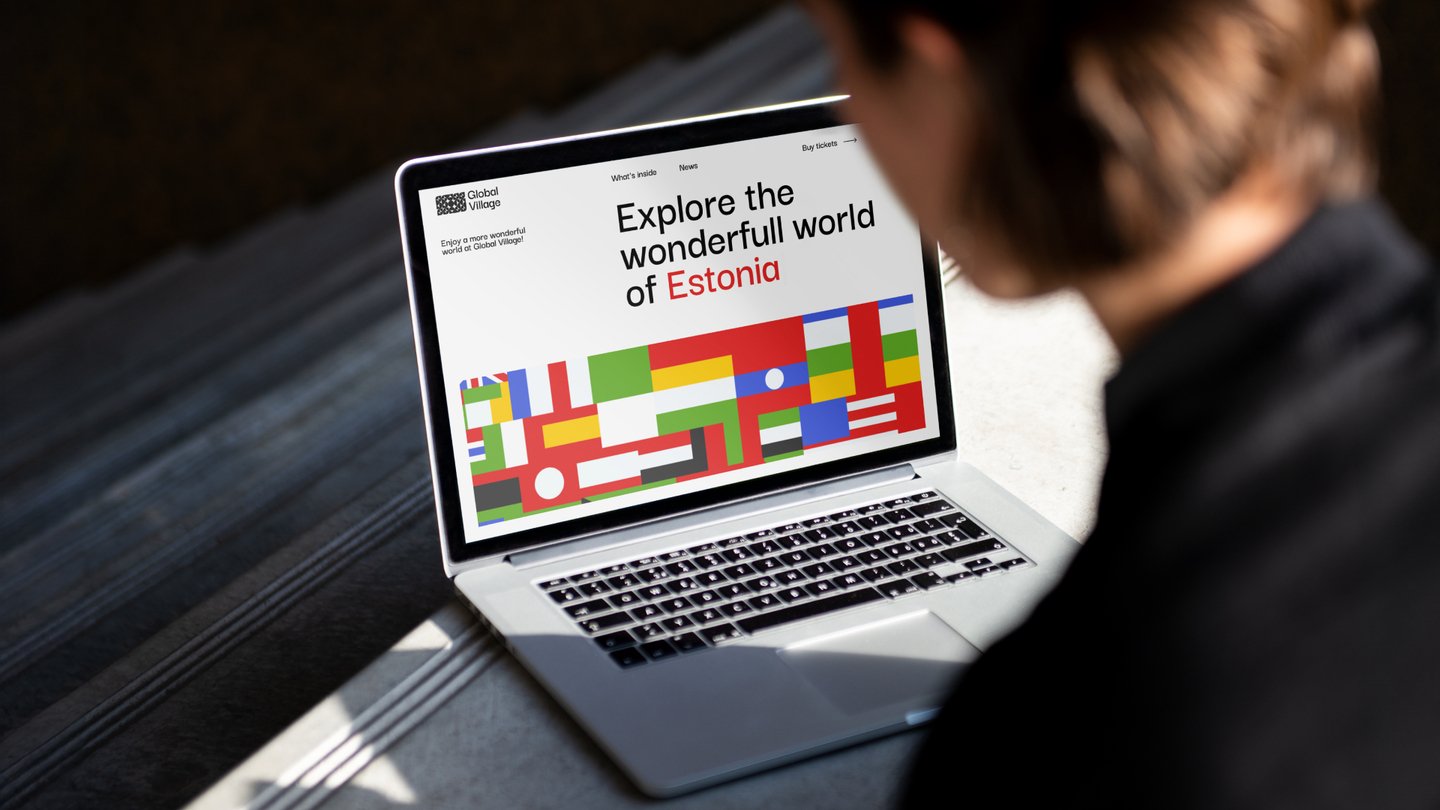
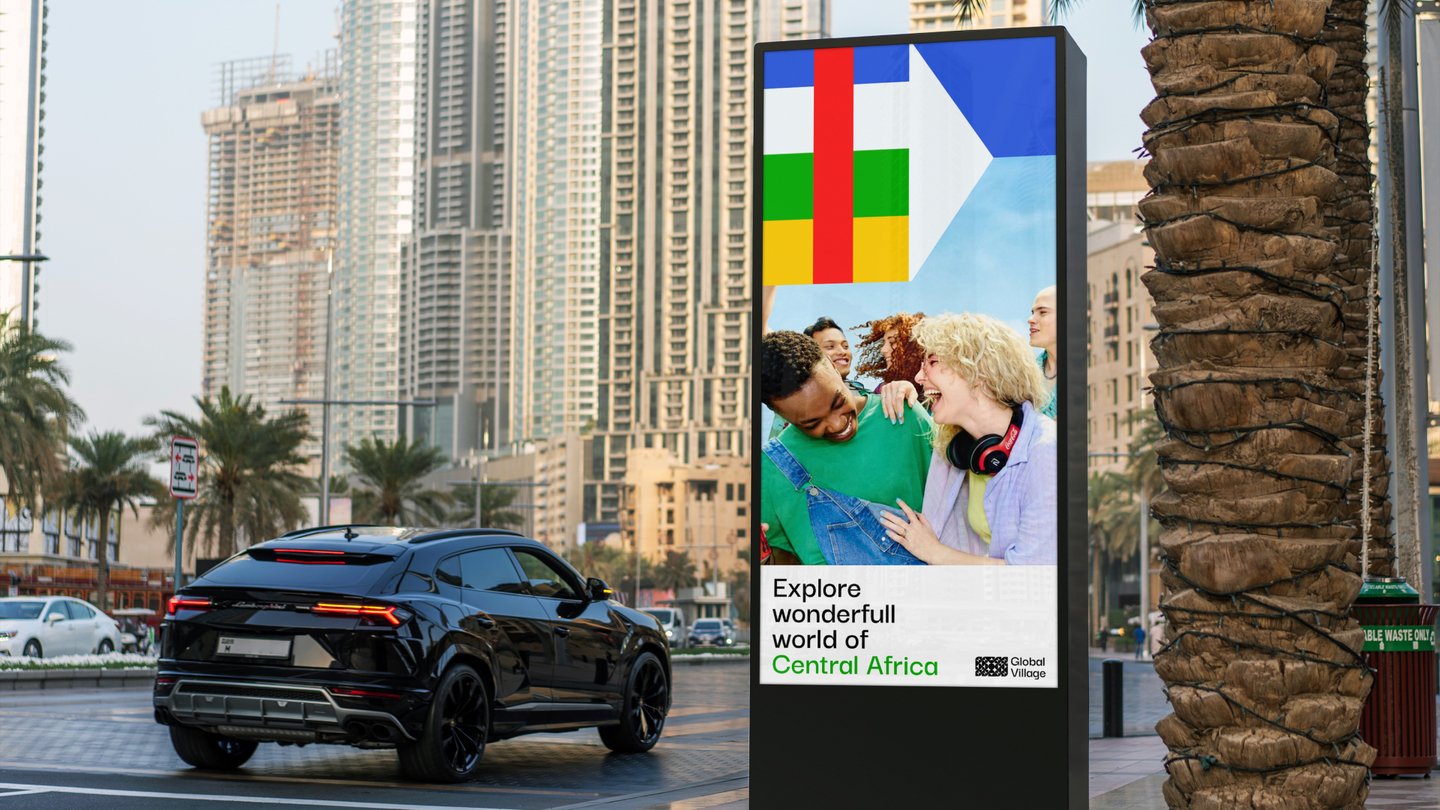
Brand language: poster and website
We design touchpoints as a connected ecosystem: wayfinding, ticket or wristband as a portable marker, merch and packaging as a continuation of the brand outside the territory, digital map and social channels as an environment for UGC. Here it is crucial that digital touchpoints should work not like a «showcase», but like a dialogue: in the logic of Dialogic Theory we build a feedback loop (ability to choose a route, save it, share it, leave a reaction) and reasons to return — including seasonal add-ons and updates.
In media ecology logic, the visitor becomes part of the message itself: what they film, how they appear in the frame, and how they spread the experience becomes the main external brand signal. That is why portable markers are not just a «souvenir», but a mechanism that makes UGC recognizable.
System success is measured by consistency of the visual language across touchpoints, growth of recognizable UGC, better orientation in the space, and the appearance of a «material trace» — things that people take away and carry the brand with them.
Brand language: gift package
HOW COURSE THEORY BECAME THE BASE OF DECISIONS
MEDIA ECOLOGY / Mc LUHAN —> MEDIA ECOSYSTEM
In media ecology logic, the key is not only content, but also the environment: it sets speed, involvement, and the way meaning is read. That is why we design not a set of separate layouts, but an ecosystem — space <—> touchpoints <—> digital channels. This supports McLuhan’s global village concept: instant connection, global interdependence, and «compression» of time and space. Also the difference between «hot» and «cool» media helps us understand where to give the audience a ready picture (fast-to-read signs/posters) and where to invite their engagement (route-map, collectible stamps, interactive scenarios).
NARRATIVE + SYMBOLIC CONVERGENCE —> STORY AND «WE»
The narrative paradigm gives the plot «a journey in one evening», and symbolic convergence gives a mechanism of shared themes and symbols that turns visitors into a community.
ELM + RELATIONSHIP MANAGEMENT —> AUDIENCE ORIENTATION AND RETENTION
ELM separates the message: emotion/atmosphere for a wide audience and arguments/structure for professionals. Relationship Management sets relationship criteria: trust, commitment, satisfaction and translates them into touchpoints (navigation, service, portable markers, seasonal reasons to come back).
Communication Theory: Bridging Academia and Practice // edu.hse.ru. URL: https://edu.hse.ru/course/view.php?id=133853 (дата обращения: 11.12.2025)
Global Village by Maya Timoshina // HSE UNIVERSITY ART AND DESIGN URL: https://portfolio.hse.ru/Project/220053 (дата обращения: 10.12.2025)